

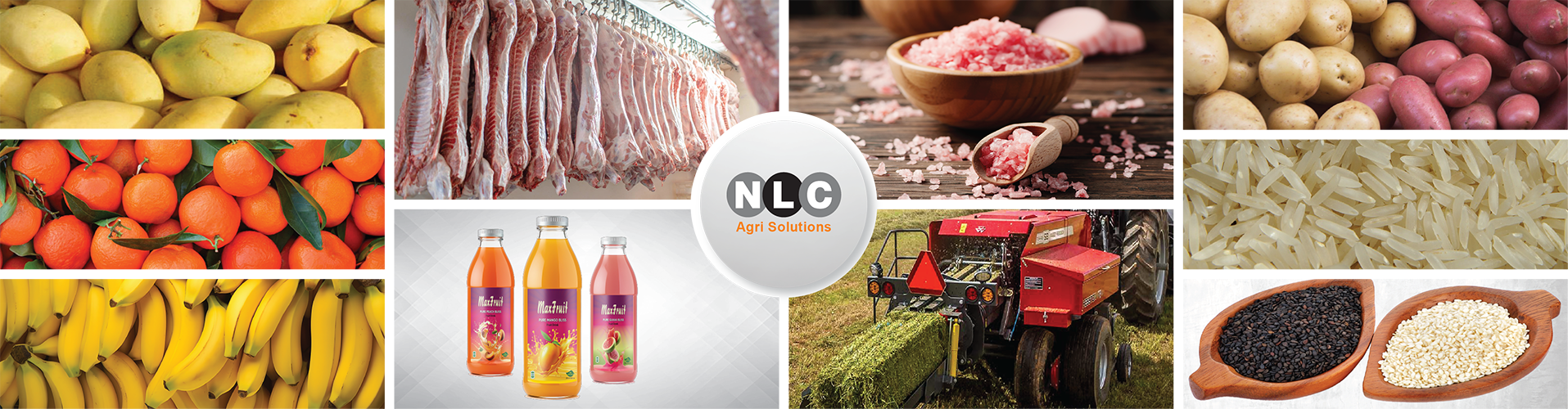

NLC Agri Solutions (Pvt) Ltd is redefining Pakistan’s agricultural trade by connecting growers, processors and exporters directly to global markets eliminating intermediaries and unlocking maximum value across the supply chain.
With a strong international footprint, the company delivers a diverse portfolio of premium Pakistani produce including fruits, vegetables, rice, meat and rhodes grass to high-potential markets such as Central Asia, Russia, Iran, UAE and other regional countries ensuring quality, consistency and reliability at every step.

Mangoes
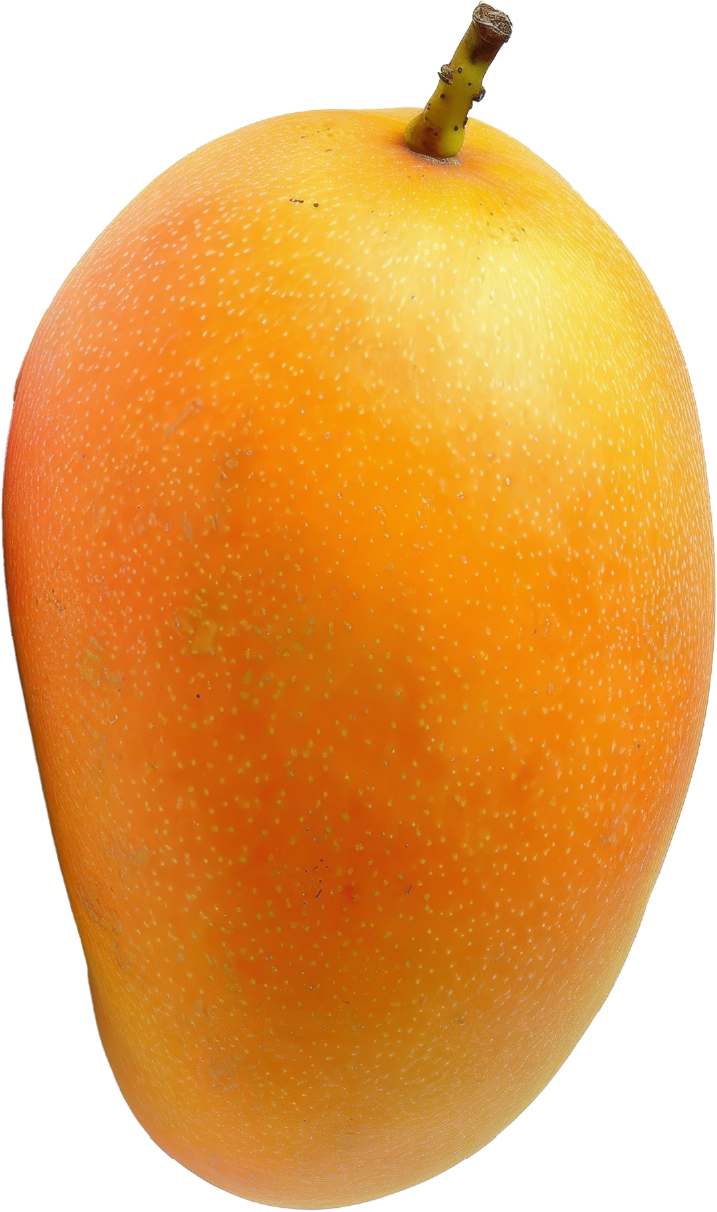
Mango, popularly known as the “King of Fruits,” is one of the most cherished and widely consumed fruits across the world. In Pakistan, it is predominantly grown in the Punjab and Sindh provinces, with peak availability from May to September. Among Pakistani mangoes, those from Multan hold special significance due to their exceptional quality and taste.
“Kinnow” Mandarin
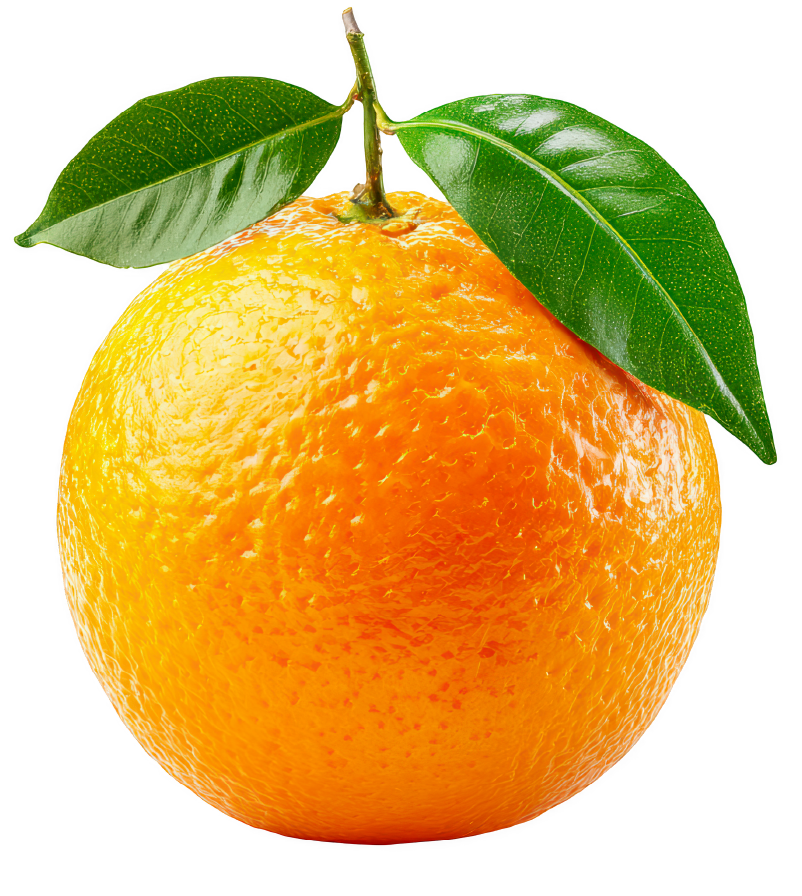
Oranges are among the oldest of cultivated fruit. Ancient Chinese literature records citrus fruit as being highly prized as early as 2000 BC and citurs was subsequently propagated in other parts of the word. Hybridization work on citrus fruit was initiated in 1915 AD by Mr. Frost at the Citrus Research Institute, California, USA and in 1935 this produced was named “Kinnow Citrus”.
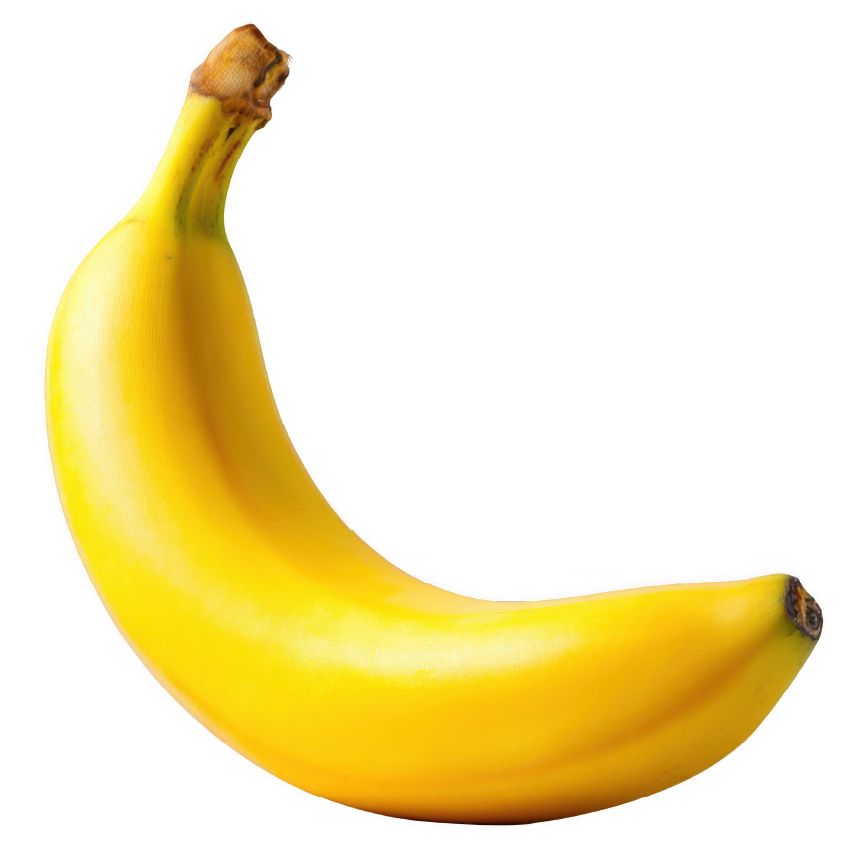
Bananas
Bananas are classified into three major species: the dwarf banana (Musa cavendishii), the tall banana (Musa sapientum), and the cooking banana (Musa paradisiaca). All three species belong to the family William, G9, Dhaka and Bombay. Globally, banana ranks as the fourth-largest fruit crop, and it is an important and widely grown fruit in Pakistan. Banana is one of the most traded fruit in the world.
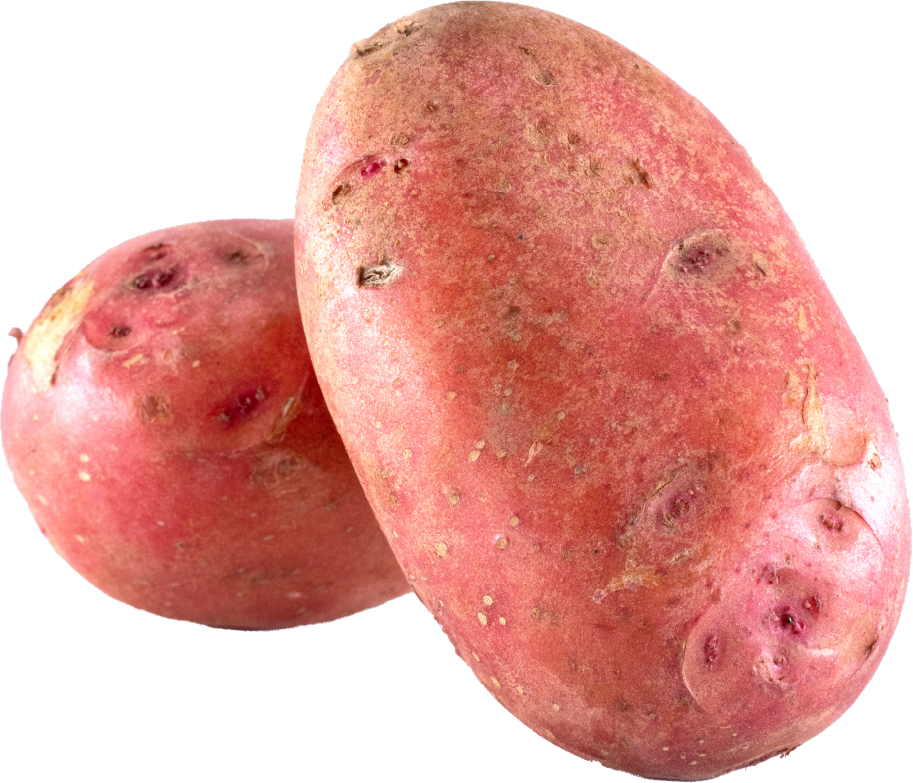
Potatoes
The potato (Solanum tuberosum) originates from South America, most likely from the central Andes region of Peru. It has been domesticated and cultivated by indigenous communities for over 4,000 years. Pakistan ranks as the 9th largest potato producer globally, contributing 2.8% to the world’s potato exports. Pakistan produces different varieties of Potatoes, including Mozika, Asterix, Sante, and Esmee.
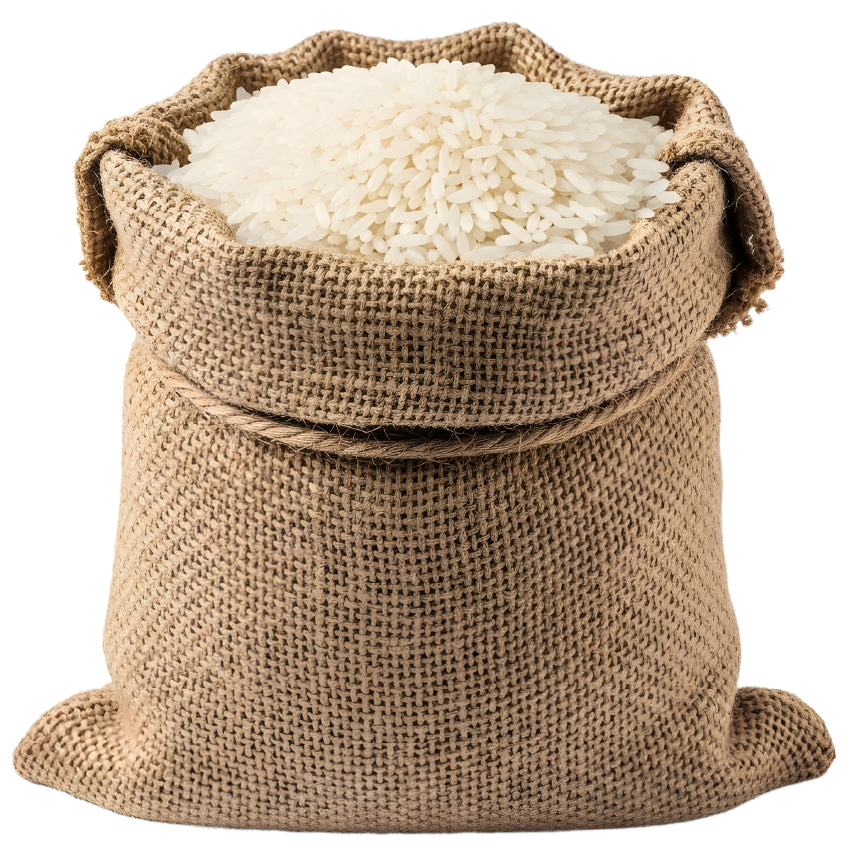
Rice
Pakistan ranks among the top 10 rice producing countries in the world. With various rice varieties cultivated over 3.35 million hectares, the country produced 9.9 million tonnes of rice in 2023-24. Rice contributes 0.6% to the GDP and accounts for 2.5% of value addition in agriculture. The increase in production this year is attributed to expanded cultivation areas, higher rice prices, favorable monsoon rains, and improved export opportunities.
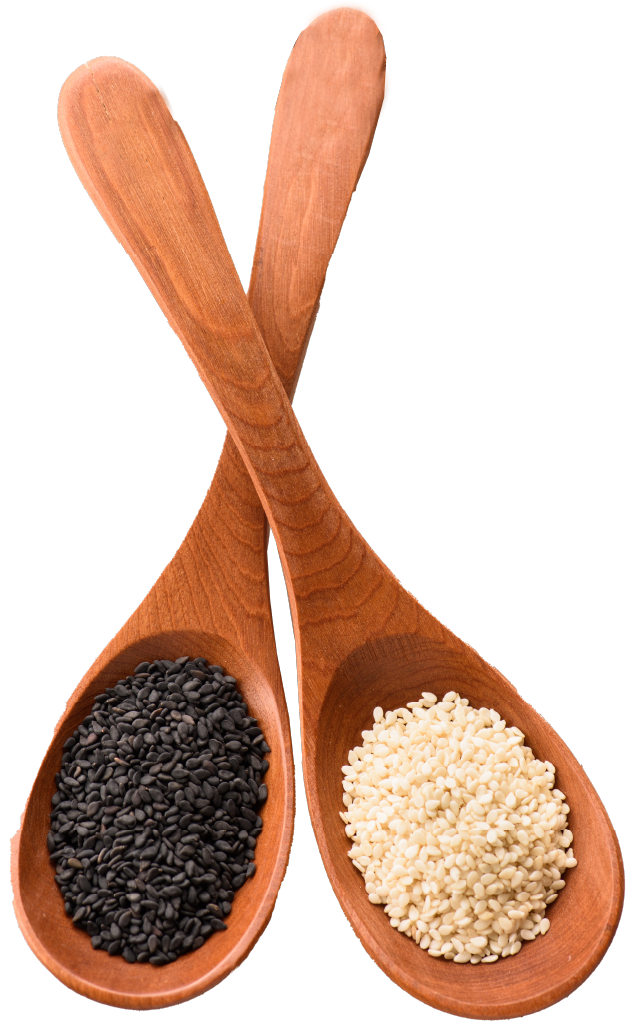
Sesame Seeds
Sesame (Sesamum indicum L.) is one of the oldest known oilseed crops, domesticated around 3,000 years ago. Renowned as the "Queen of Oilseeds" it is valued for its high oil content (50–58%) and protein content (around 22%). It grows in hot, dry climates and the most suitable time for sesame cultivation is during the months of June and July.
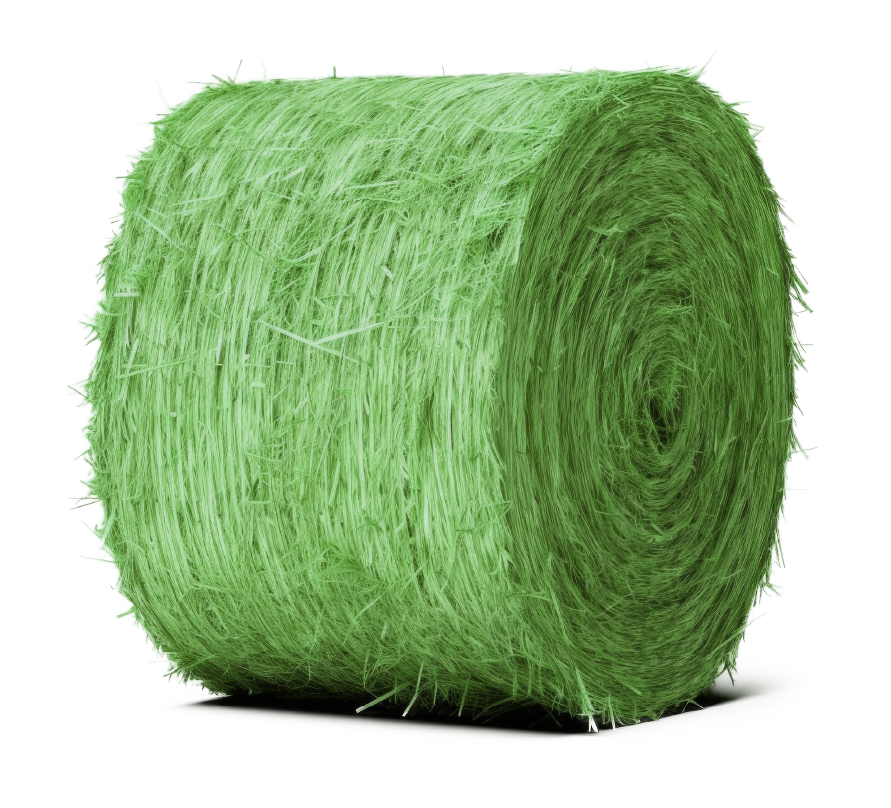
Rhodes Grass
Originally native to Africa, Rhodes Grass has adapted to regions such as Pakistan, Australia and the United States. Rhodes grass is a widely cultivated warm-season forage.
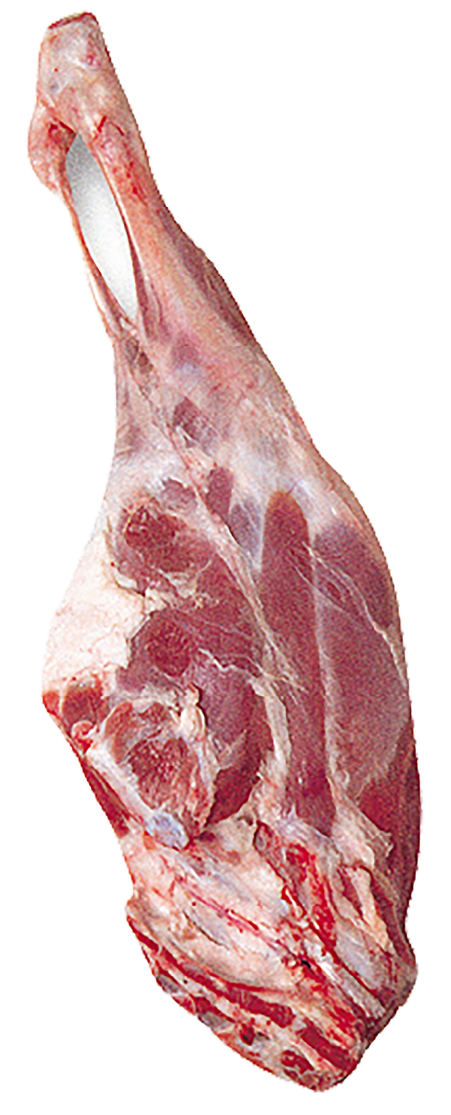
Meat
Pakistan ranks 8th, 2nd and 4th in the world for Cattle, Buffalo and Goat populations respectively. The total meat production has reached 5.97 million tonnes, reflecting a 2.7% increase over FY 2024.
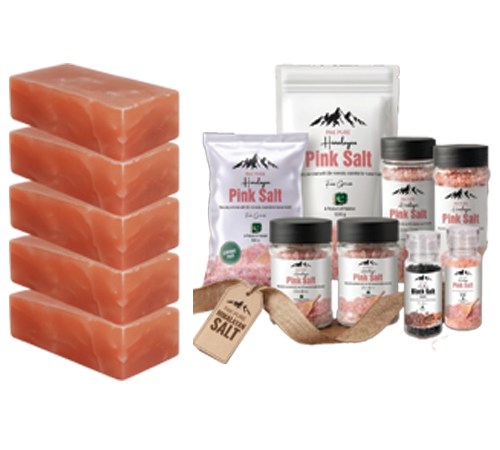
Pakistan is home to the renowned Khewra Salt Mine, the second largest salt mine in the world and the primary source of the Himalayan Pink Salt. Naturally enriched with various trace minerals primarily iron, magnesium, potassium and calcium, the Himalayan Pink Salt is in high global demand for its rich nutritional value. Extending its business portfolio, NLC Agri Solutions (Pvt) Ltd has ventured into the production and export of Himalayan Pink Salt tapping into major markets across Central Asia, China, United States, Europe and Russia. Processed under strict quality standards, Pak Pure Himalayan Pink Salt is offered in export-grade packaging, including premium jars and pouches ensuring purity and consistent quality for global markets. .